
Autism is described as a spectrum for a reason. No two autistic people are alike. We all have different strengths, weaknesses, quirks, and tolerances. I suspect that’s why it’s so hard for neurotypicals to understand autism.
Some autistic people are nonverbal, but some aren’t. Some have very visible or very audible nervous habits, while some can hide them most of the time. Some can’t look anyone in the eyes, ever, and some can, sometimes. Some have extreme cognitive challenges and require 24-hour care.
Some of us are more high functioning than others. But I hate that term. It’s such a value judgment. It means some can pass more easily for “normal” than others. But I would argue that many people function in viable ways that might simply be foreign to a neurotypical person.
I can only speak for myself, of course, but where I sit on the spectrum can be an awkward place to be. You wouldn’t suspect I was autistic at first glance. Heck, I didn’t even think to seek a diagnosis until I was 57. I am, if anything, too verbal. You might even describe me as articulate. And my eye contact isn’t the best, but it’ll do. My nervous habits only come to the surface when I’m extremely stressed. The rest of the time, they’re only off the charts on the inside. I feel them even if they can’t be seen. Beneath my often blank expression, I’m sometimes screaming inside.
But at the risk of sounding all “poor me”, this means I struggle to be taken seriously, particularly when it comes to needing an accommodation. I can be accused of being overly dramatic when trying to describe exactly what’s going on with me. I’ve been asked why my autism is such a big deal. I’ve been told I don’t “look” autistic, whatever that means. It’s as if I have to justify my diagnosis before it’s considered valid.
The more you know me, the more you realize that I’m different, but most people can’t exactly put their finger on what the difference is. In essence, I’ve been “passing” my whole life without even realizing it, and I’ve become rather skilled at it. Yet I’ve been called weird more than once, believe me.
The constant need to either “prove” my autism or keep quiet about it and attempt to fly under the radar, is another layer of exhaustion for me. But I feel kind of guilty when I think like that, because I know that there are other places on the spectrum that present people with challenges I’ll never have. I’m verbal. I’ve managed to hold a full-time job. I can drive. I rarely display nervous ticks of any kind.
Much of my struggles are beneath the surface. If I talk about them, I sometimes get pushback from those who don’t have the luxury of discretion. It makes me feel guilty and selfish. It’s almost as if one must be inducted into the Autism Society to be considered legitimate. How dare I complain?
But then again, those who are more obviously autistic get more support and accommodation, whereas I’m out here twisting in the wind, alone. If I’ve survived this long without even knowing, why should I even bring it up? What’s the big deal? Am I autistic enough to have earned the right to grumble?
I guess we all have our own row to hoe. But I can say this: Imposter syndrome is real. And it only makes things worse for those of us who have it good, relatively speaking.

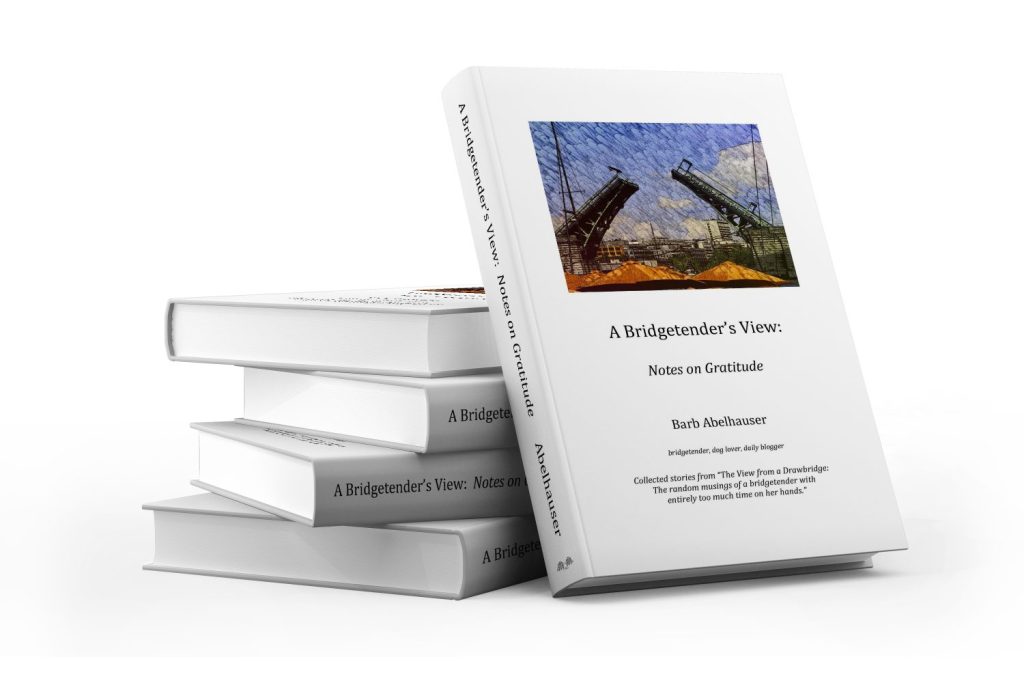
If this little blog has broadened your horizons, check out my book! http://amzn.to/2mlPVh5


Leave a Reply to The View from a DrawbridgeCancel reply