
It’s a strange sensation, discovering that you are part of a minority at the age of 58. This is pure speculation on my part, but if you know something like that all your life, I assume you would not be taken by surprise when people around you spouted ignorant assumptions about who you are. Sure, those prejudices would still be unacceptable and annoying, and even potentially scary, but they wouldn’t shock you. You’d be more prepared for the stupidity by the time you were pushing 60 and had dealt with it all your life.
On the other hand, I feel as though I’m in a frequent state of shock ever since I was diagnosed with Autism Spectrum Disorder back in December. This is an entirely different point of reference for me. I’m learning that, in addition to a drastic alteration in the lens through which I view the world, my diagnosis has also altered the way that people look at me.
Had I thought things through, perhaps I wouldn’t have disclosed my diagnosis to so many people. But I felt vindicated and relieved at the time. Finally, an explanation! I felt like shouting it from the rooftops. That, and my particular place on the autism spectrum comes with a self-destructive need to overshare.
Whatever. It’s out there. You can’t un-ring a bell.
What really astounds me is that many of these people have known me for years, and yet they’re treating me differently now that I have this label. In a few cases, I could actually see the moment their view of me changed. It is almost as though I’m their eye doctor, and they’re looking at me through that lens machine, and I’m flipping the lenses, and saying, “Better (click), or Worse?”
Worse, apparently.
I came upon a quote recently in an article in Vanity Fair about the rampant toxic racism that was behind the scenes during the filming of the series, “Lost”. I think it applies to my situation as well:
“No one wants to be defined by one aspect of their identity, but neither do people want to feel forced to suppress who they are so that others never feel any discomfort”
Maureen Ryan, in “Lost Illusions: The Untold Story of the Hit Show’s Poisonous Culture“
The gut reaction in these situations seems to be to try and “save me” from my diagnosis. “You don’t look autistic!” “That can’t be right. You’ve always seemed normal to me.” “That can’t be right. If anything, you feel too much rather than not enough.” “Why are you making such a big deal out of this?” “I would have never guessed by looking at you.”
Hello! I’m still me! I promise I’m not contagious. And autism is a diagnosis, not a jail sentence. I’m actually coming to think of autism as a “trait”, like blue eyes and brown hair, rather than a “diagnosis”, which implies that I’m sick or flawed and need to be cured. There is no cure for autism, and even if there were, I’m pretty sure I wouldn’t seek it, because it would change the person that I am. I don’t really want someone experimenting with my brain function to that extent.
Of course, that’s easy for me to say, having been able to “pass” as relatively “normal” for decades. Not every autistic person has that luxury. I’m considered to be a level 1 autistc, in other words, I could use some support with my social interactions and my executive function and coping skills, but I’m definitely not a severe autistic.
Level 3 requires very substantial support, often 24 hours a day, and can come with an inability to verbalize and a state of near-constant agitation. Some, but not all people on level three have a low IQ. It would be all but impossible to live independently on that level. Those on that part of the spectrum may appear to be totally unaware of the outside world. But scientists are starting to discover that that may or may not be the case.
I watched a documentary called The Reason I Jump, and now I’m reading the book it was based on. But in the documentary, you meet two non-verbal autistics who learn to spell out their thoughts by pointing to one letter at a time on a chart. And it turns out that they may not speak, but they, in fact, have very intelligent thoughts. No wonder the meltdowns of some non-verbal (along with some verbal) autistics can get violent. Can you imagine being coherent on the inside, but being unable to pierce the chaotic autistic wall that surrounds your brain in order to make your thoughts known to others? That has got to be frustrating beyond belief.
I know what it’s like to be misunderstood. There’s no bigger insult than not being taken seriously. It’s horrible when people constantly seek outside verification before they will believe what you are saying. This has happened to me my entire life, and it hurts.
The worst mistake a neurotypical person can make is to assume that autistic people do not have feelings. If anything, our feelings are a thousand times more intense than yours. It’s like being a full-body burn victim and having people poking you all the time. Our biggest societal challenge, in my opinion, is that many of us have varying degrees of skill at expressing those feelings or properly interpreting the feelings of others.
I understand that Hollywood has done a lot to reinforce the robotic stereotype. Rain Man is only the tip of the cinematic iceberg.
Believe me, we feel. We learn, we grow, and we aren’t going anywhere. So, please be kind.
To quote Shakespeare, “If you prick us, do we not bleed?”
We sure as hell do. But we might be doing so internally. Just because you can’t see it doesn’t mean it doesn’t hurt.

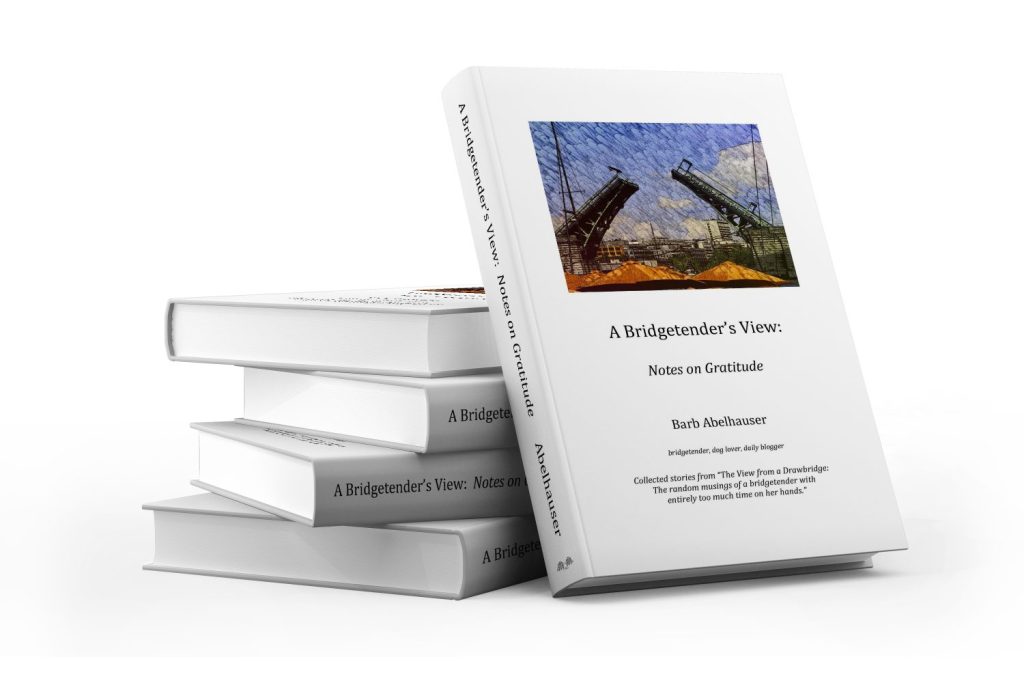
Read any good books lately? Try mine! http://amzn.to/2mlPVh5


Leave a Reply