In my last blog post, I talked about Chicago’s Shoreline Sightseeing Architecture River Tour, which is a great way for first time visitors to the city to orient themselves.
One of the things our tour guide showed us was the place where the fire first leapt over the river during the Great Chicago Fire of 1871. I hadn’t given this fire much thought since learning about Ms. O’Leary’s cow in school, to be honest, but it was really interesting to hear about the series of unfortunate events that turned this barn fire into a citywide catastrophe and forever changed this city’s trajectory.

First of all, most of Chicago was made of wood at the time, including its sidewalks, bridges and roads. And there had been a drought that year that kept everything nice and dry. And, of course, Chicago is known for its wind.
When the fire started in the vicinity of the O’Leary farm, it didn’t take long to spread to nearby buildings. To set the record straight, (spoiler alert!) there’s actually no concrete evidence that allows us to place the blame on the shoulders of the poor cow, who most assuredly died in the conflagration and was given no opportunity to defend its honor. Having said that, though, I am pleased to report that the city council officially exonerated the O’Learys and the cow in 1997. It’s a pity that didn’t happen during Ms. O’Leary’s lifetime, because after all the accusations, she died a recluse. As Dr. King said, “The arc of the moral universe is long, but it bends toward justice.”

We were told about the fire whirls (a better name would be fire tornadoes) that sprang up and launched flaming debris over the south branch of the river, thus igniting the city center. Fire whirls also allowed the blaze to jump the main branch of the river later on, which spread the destruction northward and more than doubled the size of the catastrophe.
One of the most unfortunate buildings to be destroyed was the city’s waterworks. It was engulfed within minutes, and this caused all the water mains to go dry. By then it was all but impossible to do anything to stop this conflagration.
Another piece of bad luck was that flaming debris struck a train that was carrying kerosene on the city’s north side. Needless to say, the explosion from that was epic. It added energy to an already relentless blaze which burned for two days, and took many more days to cool.
In the end, 3.3 square miles of the city had burned. It is estimated that 300 people died, 17,000 structures were destroyed, and nearly 100,000 residents were made homeless.

To avoid looting, price gouging, and chaos in the aftermath of this tragedy, the city was placed under martial law for two weeks. Aid came in the form of money and supplies from all over the world. The few structures that remained in the city were opened as places of refuge, but many of the homeless never fully recovered because all their personal papers and belongings had been destroyed.
Interestingly enough, along with food and clothing, book donations arrived by train from all over the continent, and thanks to a donation of 8,000 additional volumes from England, the city was able to establish its first ever free Chicago Public Library a few months later. (I like the thought of a library rising from the ashes.)
This fire explains why you see very few structures in Chicago that were built before 1871. And I’d wager it’s also why you now see so many buildings made of brick, stone, and concrete. The city improved its building codes and rewrote its fire standards after this disaster, and other cities took note. This piece of history makes you look at this city in a different way.
Ironically, the Chicago Fire Academy, as well as a monument commemorating the great Chicago fire, are what stand today on what used to be the O’Leary Farm. There was talk of relocating the academy in 2019, but then, you know, COVID. Personally, I hope it stays right where it is.
To this day, Chicago has one of the best fire-fighting forces in the country.

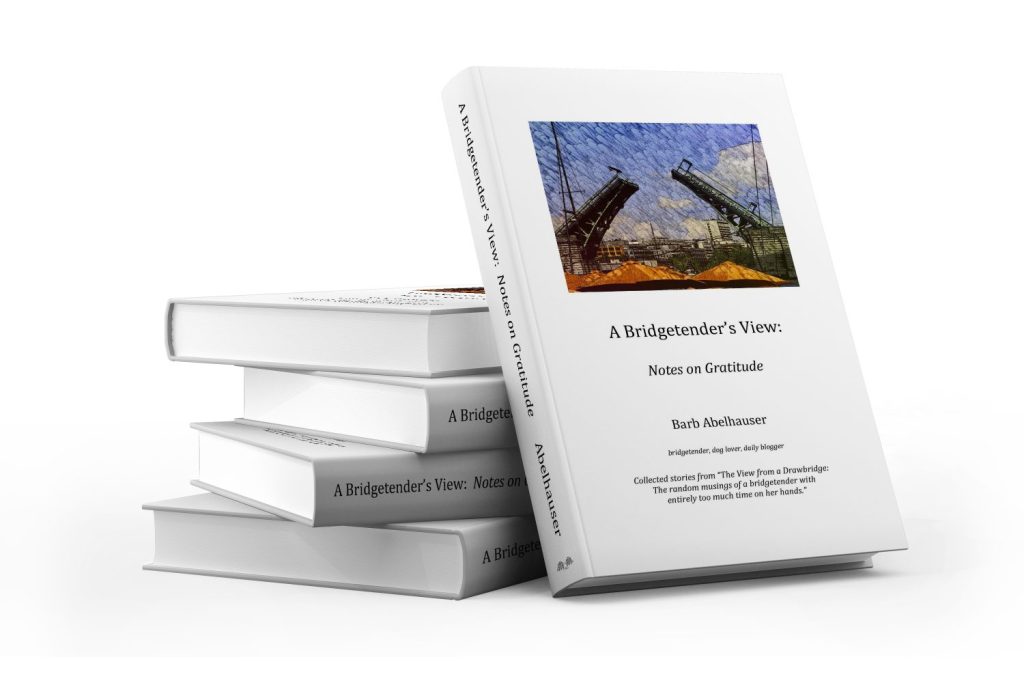
Are you wondering what to bring to Thanksgiving dinner? How about my book, Notes on Gratitude? Place your orders now! (Or any other time, since we’re on the subject.) And… thanks!
Leave a Reply