
Given my extreme aversion to censorship, I’m about to say something I never thought I’d say. It goes against every instinct I have, but this information is too important not to share. I don’t care if I’m perceived as being hypocritical.
Okay, let me gather myself for a second. Gulp. Here it is:
There are certain books that no one should own.
That admission made me feel slightly ill. But I’d rather withstand that than risk your life, Dear Reader. It’s just that I have recently learned that certain books are so dangerous that they should not even be touched with your bare hands.
I first learned about this issue on NPR. If you’d like to listen to the story, entitled, “The Poison Book Project is looking for Victorian-era books made with toxic dyes”, you can do so here. It’s less than 3 minutes in length.
A while back, I wrote a post entitled Sheele’s Green: The Color of Death, in which I described the green wallpaper that was all the rage in the Victorian era, until the public discovered that it was killing people. That vivid green was made with arsenic. They also used it in paint, clothing dye, and candle coloring.
Well, guess what? It turns out that it was often used in book cloth and end papers as well. If you enjoy collecting old books, please take this seriously. The arsenic in these books can flake off easily, even if it isn’t visible to the naked eye. It can cause skin lesions and skin cancer.
What to look for:
According to the Poison Book Project website, if your book meets the criteria below, it is possible that you’ve got yourself an arsenic problem.
Bookcloth
- Primarily British and North American imprints
- Vibrant green bookcloth covering the boards (front and back covers)
- Vibrant green or faded brownish bookcloth on the spine
- Gold and blind stamped decoration, often paired with gilt textblock edges
- Publication dates primarily between 1840s-1860s
Bookbinding Papers
- Primarily German, French, British, and North American imprints
- Color that ranges from minty to deep green
- Papers may be matte or glazed
- Papers may be plain or printed
- Publication dates range from 1816 to 1899

What to do if you suspect that you have a book that may contain arsenic:
First, see if this book appears in the Poison Book Project’s ever-expanding Arsenical Books Database. If it’s there, you’ll know for certain that you have a dangerous book.
The project also has a color swatch bookmark that they will send you for free if you fill out the form here. It will give you a good idea of the range of greens to look for. (And note that due to pollution and aging, the spine of these green books may actually look brown.)
The bookmark is not an exact identification method, of course, but it, along with the criteria above, will narrow your search. Nothing short of X-ray fluorescence spectroscopy and Ramen spectroscopy will confirm your suspicions. Needless to say, that isn’t cheap. If you can’t afford such analysis, I would suggest that you err on the side of caution.
More bad news:
According to the Poison Book Project, over 50% of the 19th-century, cloth-case binding books they’ve analyzed so far, regardless of color, contain lead. And some also contain chromium and mercury. Chrome yellow bookcloth in particular, especially from the 1880’s to 1890’s, contains high concentrations of lead.
Fortunately, unlike arsenic, these substances, to date, seem to remain tightly bound to the bookcloth, so they’re less likely to contaminate you. But they should still be handled with care.

How to handle a toxic book:
- Avoid ingesting anything or touching your face while handling the book.
- Wear nitrile gloves.
- Even if you wear gloves, thoroughly wash your hands afterward with soap and water, especially before eating, drinking, or smoking.
- Seal the book in a Ziploc bag. If you’re worried about humidity, include a silica packet.
- Do not handle the books on cloth surfaces. Hard surfaces, such as a table, are recommended. After handling, wipe down all surfaces using a damp disposable cloth.
- These cloths, along with the nitrile gloves, should be treated as hazardous material.
- If you intend to dispose of the book (which is highly recommended, especially if you have children) then it should be treated as hazardous material as well.
- If your book is rare, you may consider donating it to a library, but if so, warn them about what they’re getting first. If they want it, they’d have to put it in a restricted collection so it doesn’t ever leave the building.
I’ve always known that books were powerful, Dear Reader, but this is ridiculous. Spread the word. Please stay safe.
Please note that I have no medical training. I’m just passing on recommendations from other sources. If you have further questions, consult with your physician and the Poison Book Project.
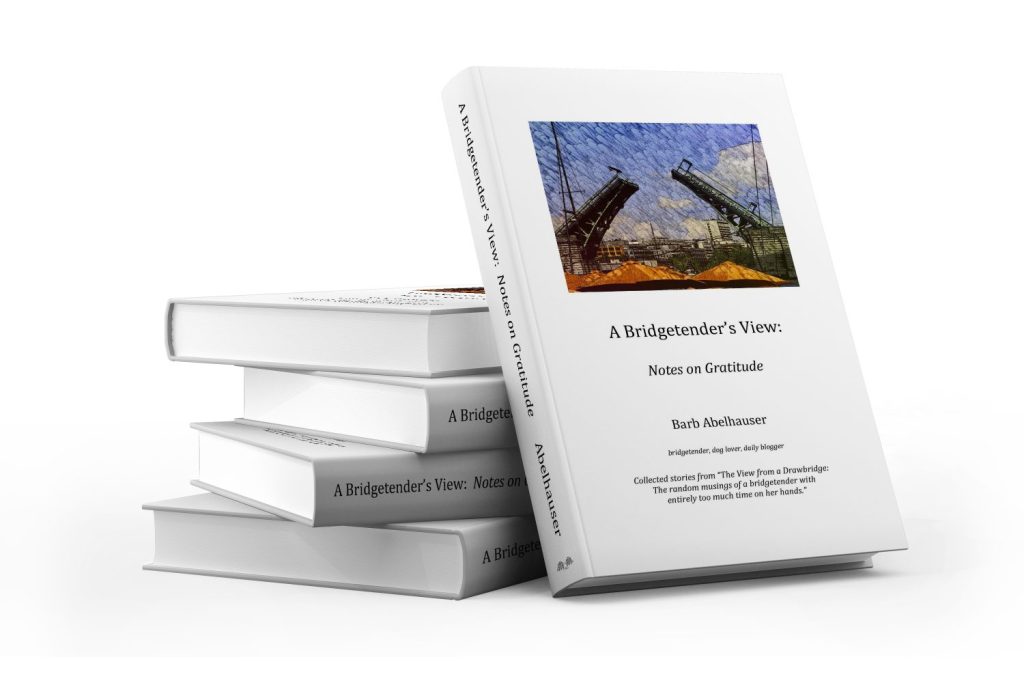
I can guarantee that my book is arsenic-free! Purchase one here: http://amzn.to/2mlPVh5
Leave a Reply